

🧐 Knowing the difference from the field of Master Mind Information (MMI) 📄
From the research of: Joseph Mercado 🔎
To: Vitamin Lover 
Article Author: Brittany Lubeck, MS, RDN 👩
Re: Methylcobalamin & Cyanocobalamin 💊
Blog Post #1422 
Universal Principle: Law of Supplementation 🥤
Keyword Category: Master Mind Vitamins 🩻
Date and Time: Tuesday, November 18, 2025 at 1:15 p.m. ⏲️

Dear Vitamin Lover,
Methylcobalamin and cyanocobalamin are two different forms of vitamin B12 that have similar health benefits in preventing vitamin B12 deficiency.
Methylcobalamin is a natural form of vitamin B12, while cyanocobalamin is a synthetic form that your body turns into an active form of B12.
Differences in Structure:
- Methylcobalamin and cyanocobalamin are the two forms of vitamin B12 most commonly used in dietary supplements, but they differ in their structure and sources.
- Methylcobalamin is a natural form of vitamin B12, and cyanocobalamin is synthetic. The structure of both forms of vitamin B12 is a central cobalt ion with a corrin ring.
- The difference is that methylcobalamin contains a methyl group (one carbon and three hydrogen atoms), and cyanocobalamin contains a cyanide molecule.12
- There is a misconception regarding the safety of the cyanide found in cyanocobalamin.
- The truth is that the amount of cyanide is minuscule and is eliminated from your body, so it isn’t a concern.
- Both forms of B12 are available in supplements, but cyanocobalamin is used more often due to its lower cost and higher heat stability.
- Cyanocobalamin is also used to fortify certain foods to increase their value of vitamin B12.
- Because methylcobalamin is a natural source of vitamin B12, it is found in animal-based foods like meat, fish, poultry, eggs, and dairy products.
Methylcobalamin:
- Natural form of B12.
- Found in animal products, like beef and poultry.
- May be easier for the body to absorb.
Cyanocobalamin:
- Synthetically-made.
- Used in supplements due to low cost.
- May maintain B12 levels in the body for longer.
Differences in Bioavailability and Absorption:
During digestion, your body removes the methyl group from methylcobalamin or the cyanide molecule from cyanocobalamin.
The remaining cobalamin molecule is absorbed and turned into an active form of vitamin B12 that your body can use (methylcobalamin).
Bioavailability:
This refers to the amount of the vitamin that enters your bloodstream and is used by your body. When it comes to bioavailability, research results are mixed.
According to one review, methylcobalamin and other natural sources of B12 are more bioavailable than synthetic forms like cyanocobalamin.
However, a small study from 2021 argues that differences in bioavailability between the two forms are negligible and that cyanocobalamin may maintain serum levels better.
Is Methylcobalamin Better Than Cyanocobalamin?
- Some experts suggest methylcobalamin is better because it’s the natural form your body uses and is more bioavailable.
- Other researchers suggest that cyanocobalamin does a better job maintaining B12 levels.
- Overall, there isn’t evidence proving that one form is better than the other, and both increase vitamin B12 levels.
Both Have Similar Health Benefits:
- Vitamin B12 is an essential nutrient, which means you need to get it from food or supplements throughout your life. Your body can’t make B12 on its own.
- Vitamin B12 is vital to the function and development of your central nervous system and is necessary to make red blood cells and DNA.
- Both forms of B12 provide health benefits by treating the following conditions:
- Vitamin B12 deficiency: A deficiency develops if you don’t get enough B12 in your diet or can’t absorb it.
- Pernicious anemia: This is an autoimmune condition that interferes with B12 absorption.
- Neuropathic pain: B12 may ease the pain caused by damaged peripheral nerves (peripheral neuropathy).
- Amyotrophic lateral sclerosis (ALS): B12 may slow the progression of this neurological disease.
- The optimal dose and whether you need oral supplements or injections depend on the condition and your current B12 levels.
- Supplements can be taken both orally and sublingually (under the tongue).
- Medical providers may recommend that people with anemia or malabsorption concerns take vitamin B12 sublingually.
Both Treat B12 Deficiency:
- Both forms of B12 are effective in treating B12 deficiency.
- Certain people may be at a higher risk of developing a vitamin B12 deficiency, including:
- Adults age 65 and older, often due to pernicious anemia, atrophic gastritis, and reduced production of enzymes.
- People with pernicious anemia, an autoimmune condition that may cause gastric atrophy.
- People with gastrointestinal disorders (like celiac disease and inflammatory bowel disease) that affect nutrient absorption.
- Anyone who has had bariatric or gastrointestinal surgery.
- Vegetarians and vegans (B12 is only found in animal-based foods).
- Breastfed infants of vegan mothers.
If left untreated, a deficiency in B12 can lead to nerve damage.
Therefore, early diagnosis of vitamin B12 deficiency is essential.
A deficiency can also cause fatigue, megaloblastic anemia, dementia, weight loss, and infertility.
How Much Vitamin B12 Do You Need?
The recommended dietary allowances (RDAs) for vitamin B12 are as follows:
- Birth to 6 months old: 0.4 micrograms (mcg)
- 7–12 months old: 0.5 mcg
- 1–3 years old: 0.9 mcg
- 4–8 years old: 1.2 mcg
- 9–13 years old: 1.8 mcg
- 14–18 years old: 2.4 mcg
- 19+ years old: 2.4 mcg
People who are pregnant or lactating require higher amounts of B12.
During pregnancy, 2.6 mcg of vitamin B12 is recommended.
While breastfeeding, 2.8 mcg of B12 is recommended.
Special Considerations for Both:
- Vitamin B12 supplements are generally safe, even in high doses because your body doesn’t absorb the full amount.
- However, using methylcobalamin, cyanocobalamin, or other B12 supplements may pose the following risks:
Cobalt Allergy - People with a cobalt allergy or sensitivity should talk with a healthcare provider before using vitamin B12 supplements.
- All forms of B12 contain cobalt (cobalamin).
- Taking vitamin B12 may cause contact dermatitis if you have a severe allergy.
Medication Interactions:
- Certain medications reduce the absorption of methylcobalamin, cyanocobalamin, and other B12 supplements, including:
- Proton pump inhibitors (omeprazole, esomeprazole, and lansoprazole).
- H2-receptor antagonists (cimetidine, famotidine, and ranitidine).
- Metformin
- Colchicine
- Cholestyramine
- Certain antibiotics (neomycin and chloramphenicol).
If you use these or other medications, talk with a healthcare provider about ways to maintain healthy levels of B12.
Key Takeaways:
Methylcobalamin and cyanocobalamin are two forms of vitamin B12 that have similar health benefits, including preventing and treating B12 deficiency.
While methylcobalamin is naturally found in foods, cyanocobalamin is synthetically produced.
Cyanocobalamin is often preferred for supplements because it’s less expensive and more stable.
Article Author:
Brittany Lubeck, MS, RDN: Lubeck is a registered dietitian and freelance nutrition writer with a master’s degree in clinical nutrition.
Content Source: Very Well Health
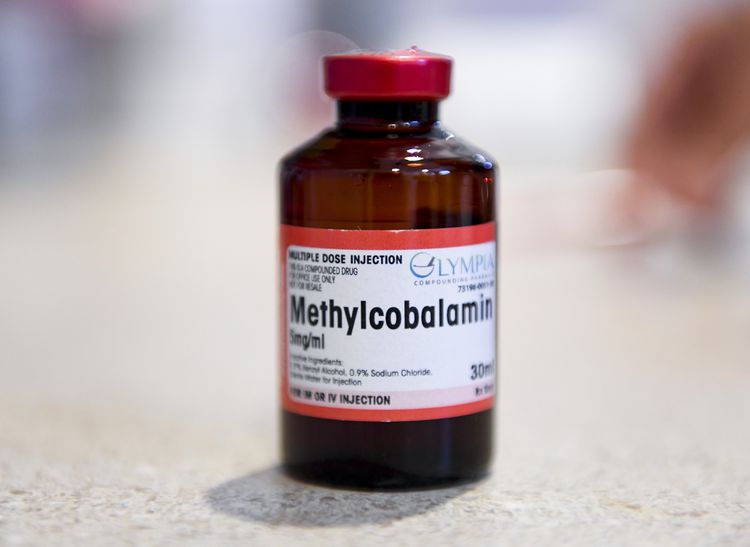
📸 Image of Methylcobalamin 🥼
 Email Us a Message

 Fly Over to the MMU Facebook Page with Hoot

 Join the MMU Facebook Group Today